
What Is MT5? A Beginner’s Guide to Trading on MetaTrader 5
Last updated on February 16th, 2026 at 09:07 pm
Disclaimer: This article is for educational purposes only and is not financial advice. Trading involves risk. Always do your own research or seek professional guidance before trading live capital.
What Is MT5 and Why Is It Still So Widely Used?
“What is MT5” is one of the first questions new traders ask after opening a trading account, usually followed by, “Why does this look so… old?”
It’s a fair reaction.
MetaTrader 5 (MT5) doesn’t look like modern charting platforms such as TradingView. There are no smooth animations, no social feeds, and no shiny design flourishes. MT5 looks functional. Industrial. A bit like software designed by engineers rather than designers.
And that’s exactly why it’s still everywhere.
MT5 remains one of the most widely used trading platforms in the world because it prioritises execution, stability, and control over aesthetics. For traders, brokers, and institutions alike, it gets the job done.
What Exactly Is MetaTrader 5?
MetaTrader 5 is a multi-asset trading platform developed by MetaQuotes. It allows traders to:
- Analyse financial markets
- Execute and manage trades
- Apply indicators and technical tools
- Monitor account balance, equity, and margin
- Trade across multiple asset classes
MT5 supports:
- Forex
- Indices
- Commodities
- Stocks
- Cryptocurrencies (broker-dependent)
It is available on:
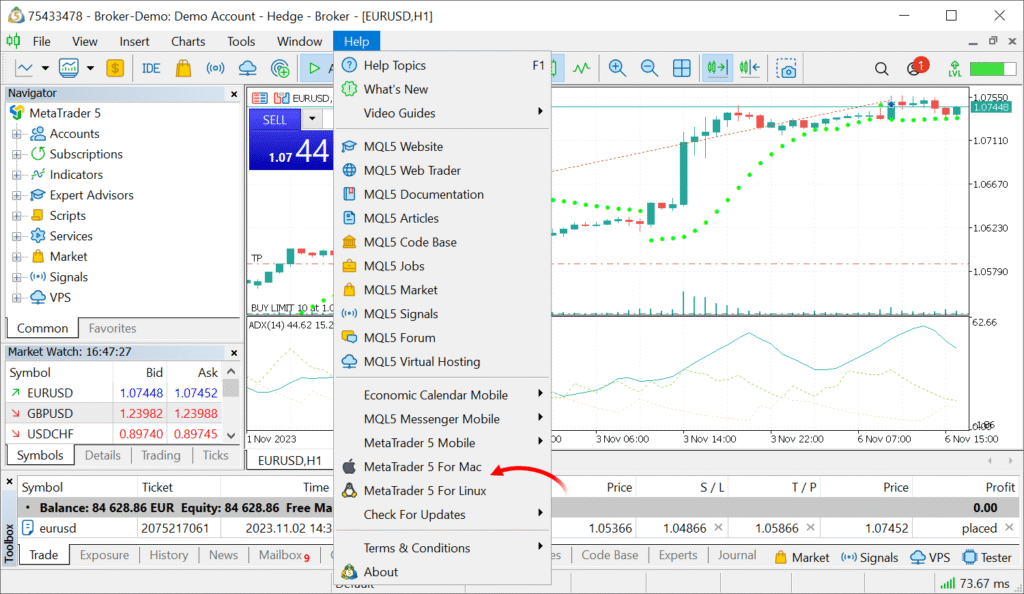
- Desktop (Windows, Mac via emulation)
- Web browser
- Mobile (iOS and Android)
MT5 vs MT4: What’s the Difference?
MT5 is often mistaken for “MT4 with a facelift,” but it’s actually a more advanced platform under the hood.
Key differences include:
- More timeframes (21 on MT5 vs 9 on MT4)
- Improved strategy tester for backtesting
- Economic calendar built into the platform
- Faster processing for multi-asset trading
Despite this, many traders still use MT4 out of habit. MT5, however, has become the standard for newer brokers and platforms.
Getting Started With MT5
When you first open MT5, the layout can feel overwhelming. Let’s simplify it.
Market Watch
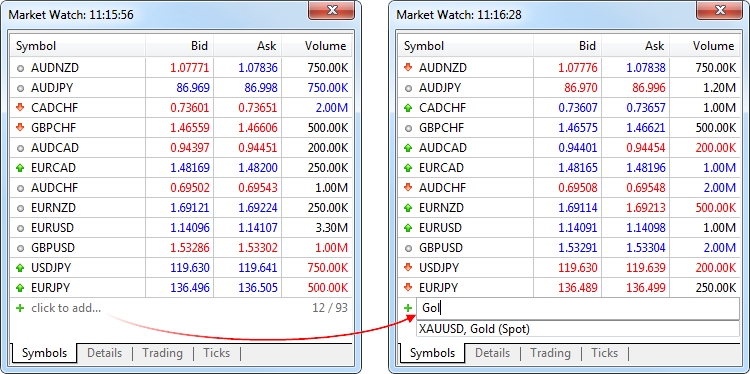
This panel shows available instruments, currency pairs, indices, commodities, etc.
You can add or remove symbols depending on what you trade.
Chart Window
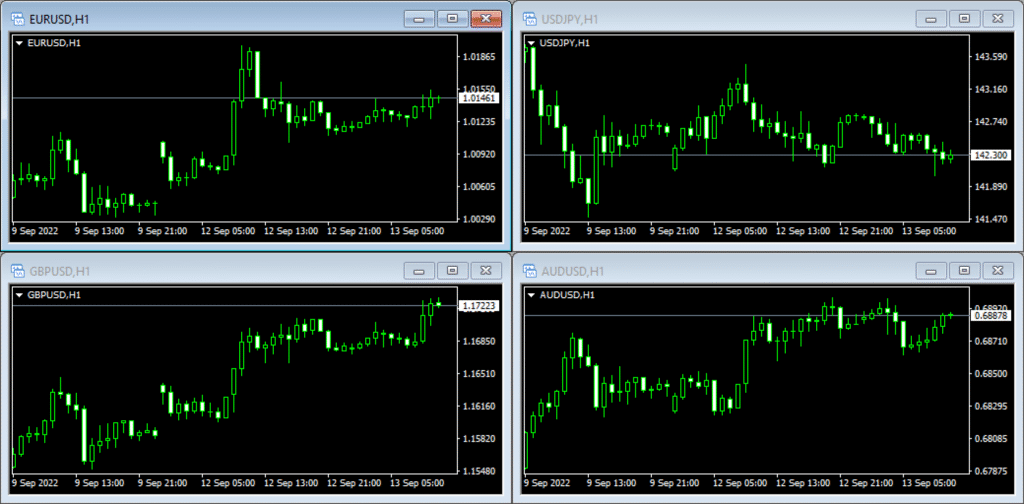
This is where price action lives. You can open multiple charts, apply indicators, and change timeframes.
Navigator
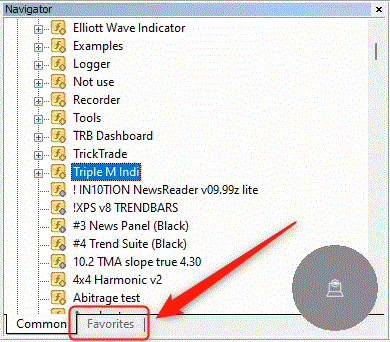
Used to access:
- Accounts
- Indicators
- Expert Advisors (EAs)
- Scripts
Toolbox / Terminal
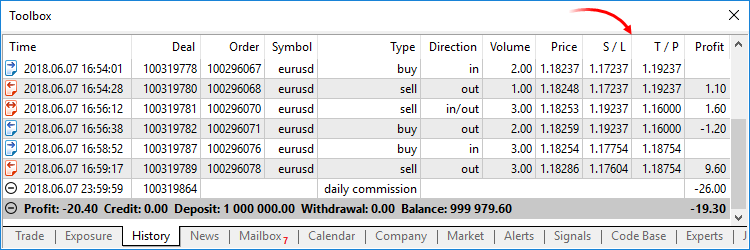
This shows:
- Open trades
- Pending orders
- Account balance and equity
- Margin and free margin
- Trade history
Once you understand these areas, MT5 becomes far less intimidating.
Charts, Timeframes, and Indicators in MT5
MT5 offers a wide range of charting tools:
- Candlestick, bar, and line charts
- Timeframes from 1 minute to 1 month
- Dozens of built-in indicators
Popular indicators include:
- Moving averages
- RSI
- MACD
- Bollinger Bands
Indicators help analyse price behaviour — but they don’t replace decision-making. Many experienced traders use fewer tools, not more.
How to Place a Trade on MT5 (Properly)
This is where beginners often rush.
Before you even open the order window, you should already know:
- Where your stop loss wil be placed
- Why the trade is valid
- How much you are prepared to lose
Step 1: Define Risk First
Professional traders think in terms of risk, not profit.
Instead of asking:
“How many lots should I trade?”
They ask:
“How much am I willing to lose if I’m wrong?”
This is where position sizing becomes crucial.
If you already know how to trade and understand your stop-loss distance, using a position size calculator ensures your risk stays consistent across trades. (You can use the one on our site for free here)
This is a core part of professional risk management and something often reinforced through mentoring.
Step 2: Open the Order Window
In MT5:
- Select “New Order”
- Choose market or pending order
- Enter the correct lot size
- Set stop loss and take profit
- Confirm the trade
MT5 then tracks:
- Floating profit/loss
- Margin usage
- Equity changes
Risk Management Tools Inside MT5
MT5 gives you several tools to help manage risk:
- Stop losses and take profits
- Trailing stops
- Margin and equity monitoring
- Trade history analysis
Used correctly, these tools help you survive losing streaks, which are unavoidable in trading.
Used poorly, MT5 will simply execute your mistakes faster.
Why MT5 Is Common Across Many Trading Setups
While this article isn’t about prop firms specifically, it’s worth noting that MT5 is commonly used across many professional trading environments.
The reason is simple:
- It allows precise risk tracking
- It supports strict execution rules
- It’s stable under pressure
That makes MT5 suitable not just for retail traders, but for any setup where discipline and consistency matter.
Common Beginner Mistakes on MT5
⚠ Trading without a defined stop loss
⚠ Guessing lot size instead of calculating it
⚠ Overloading charts with indicators
⚠ Treating demo profits as proof of mastery
⚠ Ignoring account metrics like drawdown and margin
MT5 doesn’t cause these mistakes — it simply exposes them.
MT5 May Look Old, But It’s Still Relevant
Let’s be honest.
Compared to TradingView, MT5 looks like it skipped a few design trends. But markets don’t care about design. They care about execution, discipline, and risk control.
Many traders analyse on modern platforms, then execute on MT5 (especially when trading money via a prop firm).
It’s not glamorous, but it’s effective.
External Resources Worth Exploring
- MetaQuotes (MT5 Developer): https://www.metatrader5.com
- FCA – Trading & Risk Warnings: https://www.fca.org.uk
- ESMA – Market Regulation: https://www.esma.europa.eu
Disclaimer: Platform features and trading conditions vary by broker. Always confirm execution rules, fees, and risk settings before trading live.
Final Thoughts from Uncle Abundance
Learning what MT5 is and how to use it properly isn’t about liking the platform; it’s about respecting the craft.
MT5 teaches structure.
It can help with becoming disciplined.
And it quietly reminds you that every click has consequences.
“The platform doesn’t make the trader — but it always reveals them.”
Kettle’s on
