
How Much Money Do I Need to Start Trading: A Realistic Guide for Beginners

Last updated on February 16th, 2026 at 09:24 pm
Disclaimer: This article is for educational purposes only and is not financial advice. Trading involves risk, and you should always do your own research or seek professional guidance before committing capital.
How Much Money Do I Need to Start Trading (And Why the Answer Isn’t What You Think)
How much money do I need to start trading is one of the first questions every new trader asks, and usually the most misunderstood. You’ll hear everything from “£100 is enough” to “you need £50,000 or don’t bother.”
The truth, as usual, lives somewhere in the middle.
Trading isn’t just about how much you start with. It’s about what that money is for, what stage you’re at, and how much pressure it puts on your decisions. Get this wrong, and even a good strategy won’t save you.
Let’s break it down properly.
The Three Stages of a Trader (And What Your Money Is Really Doing)
Before we talk numbers, we need to talk purpose. Every trader goes through three stages, and each one needs a different amount of money.
Stage 1: Learning (Most Important, Least Expensive)
At the beginning, your goal is not to make money.
Your goal is to stop losing it.
This stage is about:
- Understanding how markets move
- Learning risk management
- Controlling emotions
- Building consistency
At this point, £0–£500 is enough — and most of that shouldn’t even be risked.
Best tools at this stage:
- Demo accounts
- Educational platforms
- Charting software
- Small test trades with micro-lots
If you rush this stage, the market will charge you tuition anyway, just at a much higher price.
Stage 2: Small Live Account (Where Reality Kicks In)
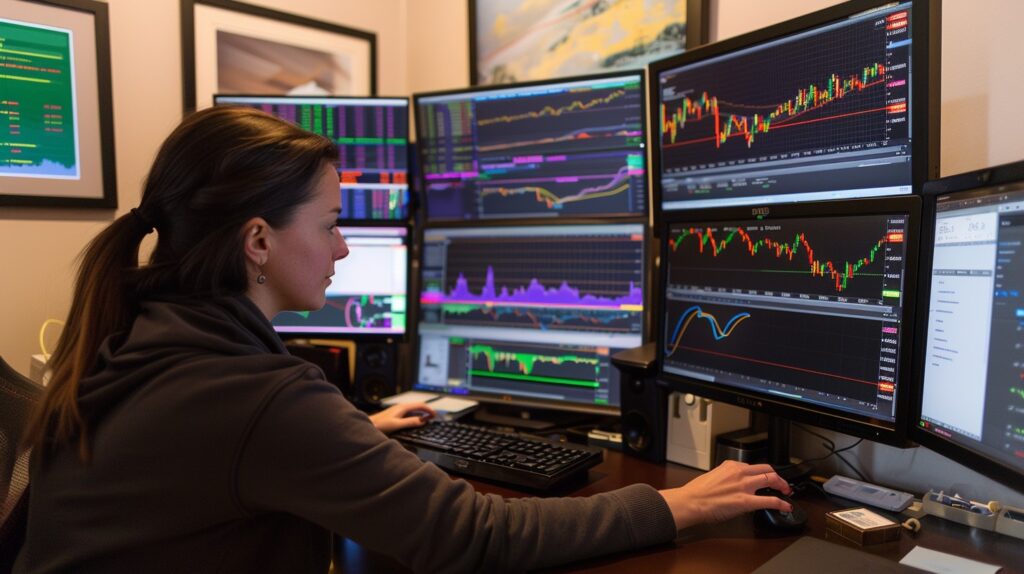
This is where most people ask again: How much money do I need to start trading live?
A realistic range for a small live account is:
- £500–£2,000
Why?
- It allows proper position sizing
- It reduces emotional pressure
- It lets you survive losing streaks
Anything smaller than this often leads to:
- Over-leveraging
- Gambling behaviour
- Chasing losses
The market doesn’t reward bravery; it rewards patience.
Stage 3: Scaling Capital (Only After Consistency)
Only once you can:
- Follow rules consistently
- Limit drawdowns
- Accept losses calmly
…does it make sense to think about more capital.
And this is where prop trading accounts enter the conversation, but not before.
The Psychological Cost of Starting With Too Little

This part rarely gets talked about.
Starting with too little money:
- Makes every trade feel “important”
- Encourages revenge trading
- Turns small losses into emotional events
Ironically, many traders fail not because they lack skill, but because their account size forces bad behaviour.
Trading is hard enough. Don’t stack the odds against yourself.
A Sensible Breakdown: How Much Money Do I Need to Start Trading
Here’s a grounded way to think about it:
• £0–£200 → Learning, demo, micro exposure
• £500–£2,000 → Small live account, skill-building
• £5,000+ → Only if already consistent
• £0 personal capital → Prop accounts (later stage)
Notice something?
Prop accounts come last — not first.
Prop Trading Accounts: Opportunity, Not a Shortcut
Prop firms can be fantastic. They allow you to trade larger capital without risking your own savings.
But here’s the truth Uncle Abundance has to share quietly:
Prop accounts are not for beginners, they are for prepared traders.
Why?
Because prop firms:
- Enforce strict drawdown rules
- Punish emotional mistakes
- Require consistency under pressure
A beginner jumping straight into a prop account usually:
- Fails challenges repeatedly
- Pays multiple reset fees
- Learns slowly and expensively
The smarter path:
Learn → practice → trade small → prove consistency → then consider prop capital.
Used correctly, prop firms are a scaling tool, not a learning playground.
So… How Much Money Do You Need to Start Trading Really?

The honest answer to how much money do I need to start trading is this:
Enough to learn properly, not enough to scare you into bad decisions.
That number is different for everyone, but the principle never changes.
If losing the money would hurt your lifestyle, your thinking will suffer.
If the money is treated as tuition, your growth accelerates.
A Simple Checklist Before You Risk Any Capital
Before funding an account or attempting a prop challenge, ask yourself:
✅ Do I understand basic risk management?
✅ Can I follow rules for weeks without breaking them?
✅ Have I traded a demo or small-sized account consistently?
✅ Am I chasing income, or building skill?
If any answer is “no”, the market is telling you to slow down and get educated.
Where to Go Next
If you’re unsure whether a broker, platform, or prop firm is right for your stage, that’s exactly why Top Financial Choices exists to help you compare options without the hype.
Disclaimer: We aim to provide accurate and up-to-date information, but trading conditions and capital requirements change. Always verify details with brokers, prop firms, and regulators such as the FCA before acting.
Final Thoughts from Uncle Abundance
Trading isn’t a race. It’s a craft.
Those who rush capital usually rush mistakes.
Those who respect the process give themselves time to grow.
“The market will always be there tomorrow. Make sure your account is too.”
Kettle’s on ☕
